The Essential Guide to Virtual Bookkeeping for Small Businesses


What is Virtual Bookkeeping?
Virtual bookkeeping refers to the practice of managing financial records and transactions remotely, using cloud-based software and digital tools. This approach allows small businesses to keep their financials up-to-date without the need for an in-house accountant. It's a flexible, cost-effective solution that leverages technology to streamline bookkeeping processes.

Benefits of Virtual Bookkeeping for Small Businesses
There are several advantages to adopting virtual bookkeeping for your small business. One of the primary benefits is cost savings. By outsourcing bookkeeping tasks, businesses can reduce overhead expenses such as salaries and office space.
Another significant advantage is flexibility. Virtual bookkeeping services can be tailored to meet the specific needs of your business, allowing you to scale up or down as required. Additionally, the use of cloud-based software ensures that your financial data is accessible from anywhere, at any time.
Enhanced Accuracy and Efficiency
Virtual bookkeeping often results in improved accuracy and efficiency. Professional bookkeepers use state-of-the-art software to automate data entry and reconciliation processes, reducing the risk of human error. This automation not only enhances accuracy but also frees up time for business owners to focus on other critical areas of their operations.
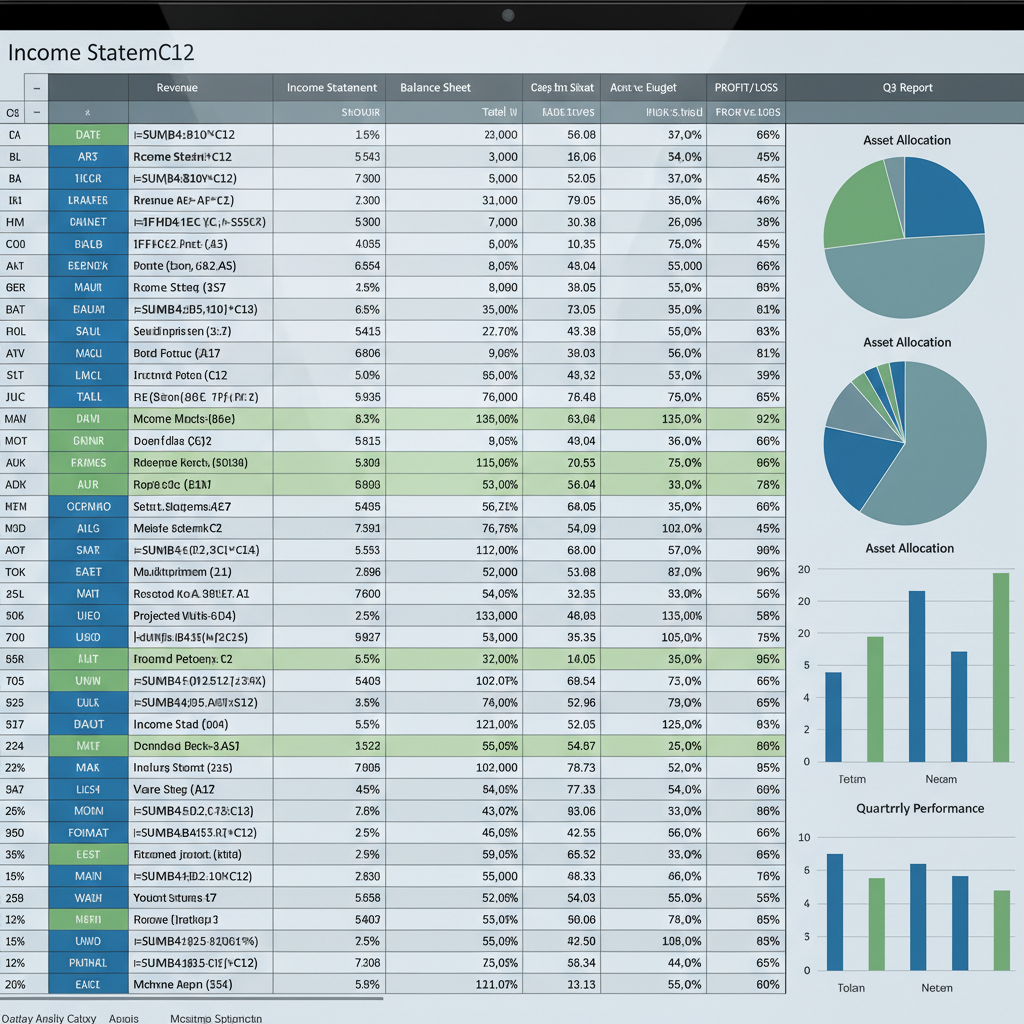
Choosing the Right Virtual Bookkeeping Service
When selecting a virtual bookkeeping service, it's essential to consider a few key factors. First, evaluate the service provider's experience and expertise. Look for firms that specialize in your industry and have a proven track record of success.
Next, consider the technology used by the provider. Ensure that they utilize secure and reliable software that aligns with your business's needs. Finally, assess their customer support. A responsive and knowledgeable support team can make a significant difference in your experience.
Implementing Virtual Bookkeeping
Transitioning to virtual bookkeeping involves several steps. Begin by assessing your current bookkeeping processes and identifying areas for improvement. Then, choose a service provider and software that fit your needs. Once selected, work with your provider to set up the necessary systems and train your staff on new procedures.

Maintaining Financial Health with Virtual Bookkeeping
Regular monitoring and analysis of your financial data are crucial for maintaining your business's financial health. Virtual bookkeeping provides you with up-to-date financial reports, allowing you to make informed decisions. Utilize these insights to manage cash flow, plan for growth, and identify potential financial challenges before they escalate.
Integrating virtual bookkeeping into your small business can lead to enhanced financial management, increased productivity, and overall business growth. By leveraging the power of technology, small businesses can remain competitive and agile in an ever-evolving market.