How to Prepare Your Business for End-of-Year Financial Reporting


Understanding End-of-Year Financial Reporting
As the year draws to a close, businesses must prepare for end-of-year financial reporting. This process is crucial for evaluating the financial health of your organization and planning for the future. Preparing effectively ensures compliance with legal requirements and provides insights for strategic planning.
Gathering Financial Documents
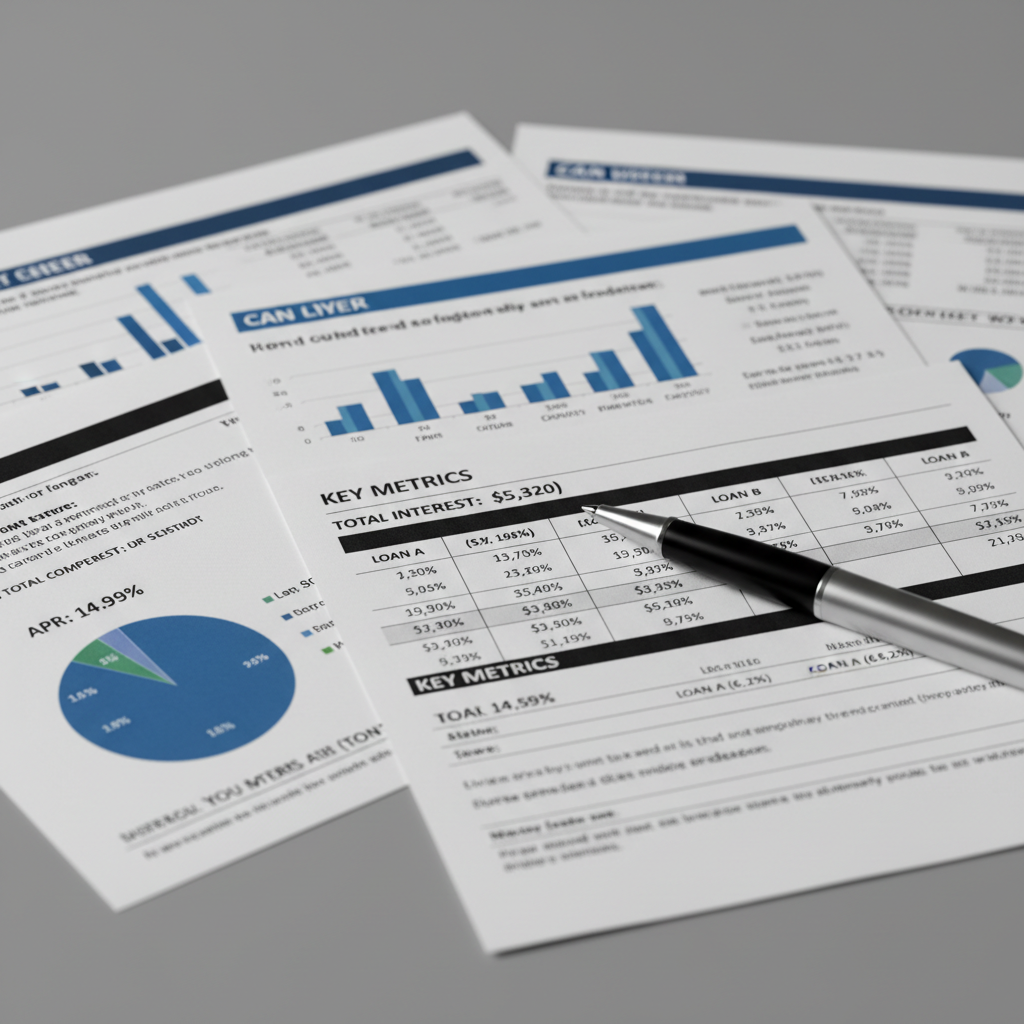
The first step in preparing for end-of-year financial reporting is to gather all necessary financial documents. This includes income statements, balance sheets, cash flow statements, and tax documents. Ensuring all records are complete and accurate is essential for a smooth reporting process.
Consider using accounting software to automate the collection and organization of these documents. This can save time and reduce the risk of errors, allowing for more efficient reporting.
Reviewing Financial Performance
Once your documents are in order, it's time to review your financial performance over the past year. Analyze key metrics such as revenue growth, profit margins, and expense ratios. This analysis helps identify trends and areas for improvement in the coming year.

It may also be helpful to compare this year's performance with previous years to understand how your business is evolving. Highlighting these changes can guide future business strategies.
Conducting an Internal Audit
An internal audit can provide an additional layer of assurance that your financial statements are accurate. It involves a thorough examination of your financial records and processes to identify any discrepancies or irregularities. This step is particularly important for businesses preparing for external audits.
- Check for any missing or duplicated transactions.
- Ensure all financial data aligns with supporting documentation.
- Verify compliance with accounting standards and regulations.
Planning for Tax Obligations
Preparing for tax obligations is a critical component of end-of-year financial reporting. Review your tax liabilities and ensure all necessary forms are completed and submitted by the deadlines. Consider consulting with a tax professional to maximize deductions and credits.

Being proactive in your tax planning can prevent last-minute stress and potential penalties. Keep a detailed record of all tax-related documents for future reference.
Setting Financial Goals for the New Year
With a clear understanding of your financial performance, you can set realistic financial goals for the upcoming year. These goals should align with your overall business strategy and be measurable, achievable, and time-bound. Establishing clear objectives will guide your financial planning and decision-making.
Consider including goals related to revenue growth, cost management, and investment opportunities. Regularly review and adjust these goals as needed to stay on track.
Communicating with Stakeholders
Finally, communicate your end-of-year financial results and future goals with stakeholders. Transparency builds trust and fosters a collaborative environment for achieving business objectives. Share detailed reports and analyses to provide stakeholders with a comprehensive view of your financial health.

By preparing thoroughly and engaging stakeholders in the process, your business will be well-positioned for success in the new year.