End-of-Financial-Year Accounting Help: Tips for Small Businesses


Understanding the Importance of End-of-Financial-Year Accounting
The end of the financial year is a critical time for small businesses. It's an opportunity to assess financial health, ensure compliance, and plan for the future. Proper accounting during this period can make a significant difference in your business's success. Whether you're handling it yourself or working with an accountant, understanding the essentials is crucial.

Organize Your Financial Records
One of the first steps to effective end-of-year accounting is organizing your financial records. Ensure that all invoices, receipts, and financial statements are up to date and properly filed. This will make it easier to review your financial status and identify any discrepancies.
Consider using accounting software to streamline this process. Many programs offer features that help categorize and track expenses, making it simpler to retrieve necessary documents when needed.
Review Your Financial Statements
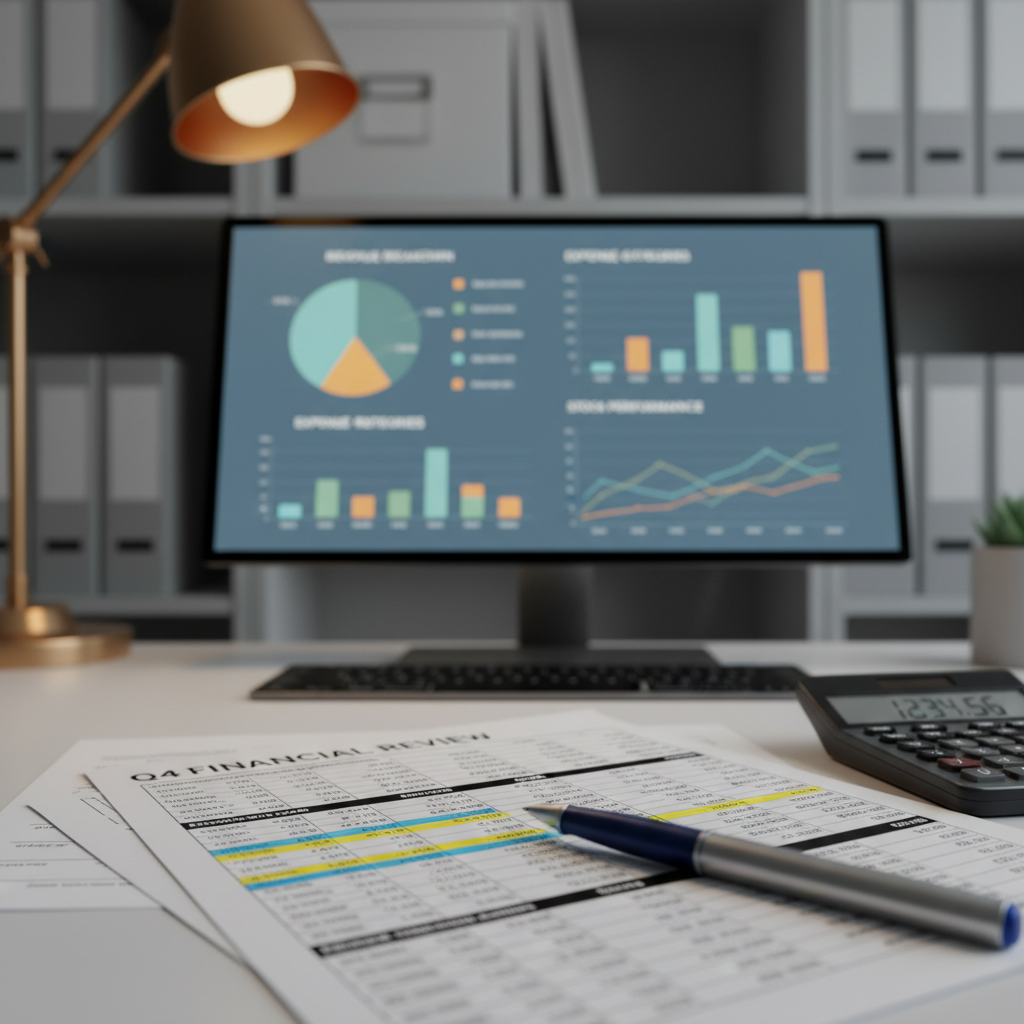
Once your records are organized, it's time to review your financial statements. Focus on your profit and loss statement, balance sheet, and cash flow statement. These documents provide a snapshot of your business's financial performance over the year.
Look for trends, such as increasing expenses or declining revenue, to identify areas for improvement. Understanding these patterns can help you make informed decisions for the upcoming year.
Manage Your Tax Obligations
Tax season can be daunting, but proactive management can ease the burden. Ensure that you're aware of any changes in tax laws that may affect your business. Consider consulting with a tax professional to maximize deductions and credits.
Set aside funds throughout the year to cover taxes, reducing the financial strain at year-end. Proper tax planning can save you money and prevent last-minute scrambles.
Assess Your Inventory
If your business involves inventory, conducting a year-end inventory check is essential. This helps in accurately reporting your assets and understanding what products are performing well.
- Identify slow-moving items.
- Assess stock levels.
- Plan for future inventory needs.
Effective inventory management can improve cash flow and reduce unnecessary costs.

Plan for the Future
End-of-financial-year accounting is not just about closing the books; it’s an opportunity to plan for the future. Set realistic financial goals based on your findings and create a budget that supports growth and sustainability.
Consider potential investments, marketing strategies, and operational improvements. A clear financial plan will guide your business towards continued success.
Seek Professional Assistance
If the thought of handling end-of-year accounting is overwhelming, don't hesitate to seek professional help. An accountant can provide valuable insights and ensure that everything is in order. This investment can save you time and prevent costly mistakes.
Many accounting firms offer specialized packages for small businesses during this time, making it an accessible option for many entrepreneurs.

Conclusion
End-of-financial-year accounting is a vital process for small businesses. By organizing records, reviewing financial statements, managing taxes, assessing inventory, and planning for the future, you can ensure a smooth transition into the new financial year. Consider professional assistance if needed, and embrace this opportunity to set your business up for success.