A Guide to Transaction Categorization: Streamline Your Financial Reporting


Efficient financial reporting is crucial for any business aiming to maintain a clear understanding of its financial health. One of the key components of this process is transaction categorization. By accurately categorizing transactions, businesses can gain insights into their spending patterns, manage budgets effectively, and ensure compliance with financial regulations.
Transaction categorization involves classifying business transactions into predefined categories, such as income, expenses, assets, and liabilities. This guide will help you streamline your financial reporting by mastering this essential task.
Understanding Transaction Categorization
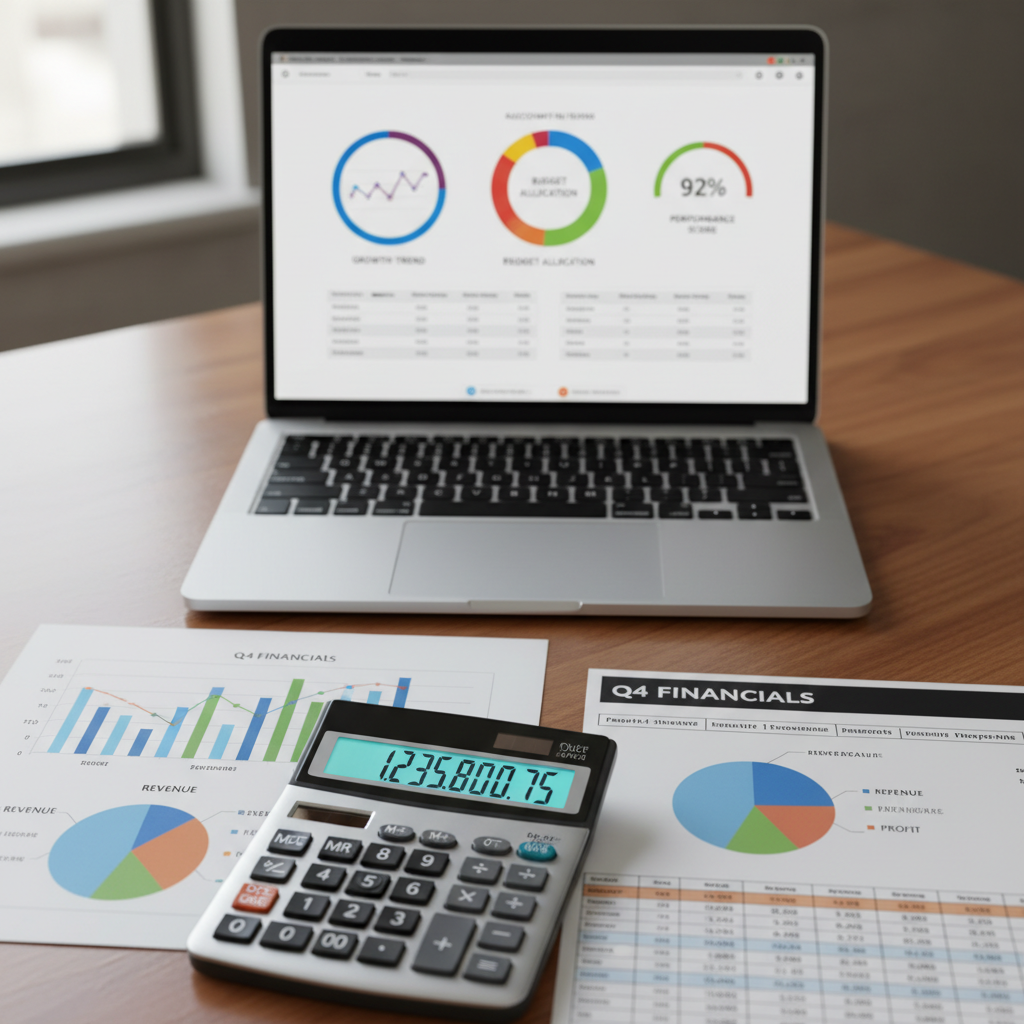
Transaction categorization is more than a simple sorting task. It requires a strategic approach to ensure that each transaction is accurately represented in financial reports. Proper categorization provides a clear view of where money is being spent and earned, helping in decision-making processes.
Benefits of Accurate Categorization
Accurate categorization offers numerous benefits. It enhances the clarity of financial statements, simplifies tax preparation, and aids in identifying areas for cost reduction. Furthermore, it ensures that financial data is consistent and ready for audits, reducing the risk of errors.

Steps to Streamline Transaction Categorization
1. Define Clear Categories
Start by defining clear and comprehensive categories that reflect your business operations. Common categories include office supplies, travel expenses, salaries, and sales revenue. Tailor these categories to fit your specific business needs.
2. Utilize Accounting Software
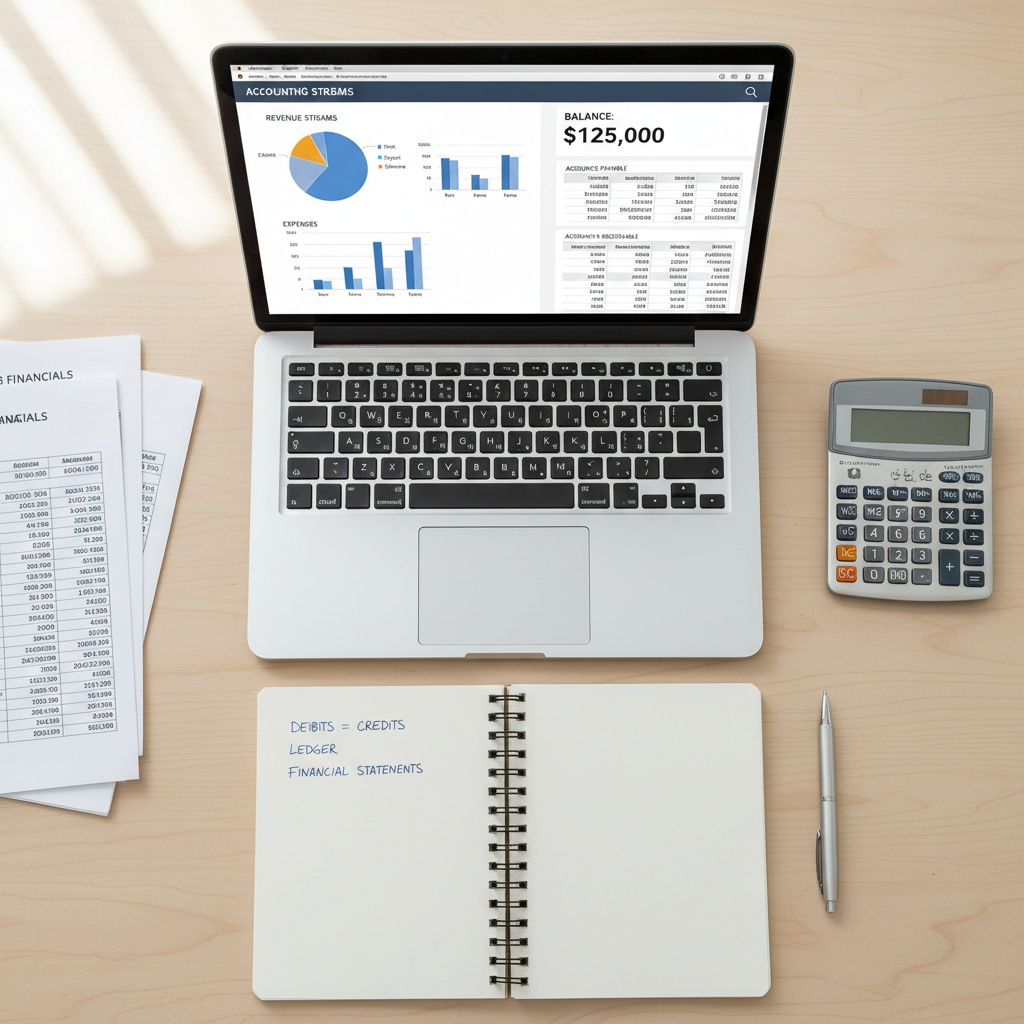
Implementing accounting software can automate the categorization process. Many software solutions offer features that automatically categorize transactions based on rules you set, saving time and reducing human error. Popular options include QuickBooks, Xero, and FreshBooks.
3. Regularly Review and Adjust Categories
Regularly reviewing and adjusting your categories ensures they remain relevant. As your business evolves, new categories may be needed, while others may become obsolete. Periodic reviews help maintain accuracy in your financial reporting.
Common Challenges in Transaction Categorization
Dealing with Ambiguous Transactions
At times, transactions may not fit neatly into predefined categories. In such cases, creating a miscellaneous category for uncategorized transactions can help. However, aim to minimize its use by refining your categories and rules.
Ensuring Consistency Across Teams
Consistency in categorization is crucial, especially if multiple team members handle financial data. Establishing clear guidelines and conducting regular training sessions can help maintain uniformity in categorization practices.

Conclusion
Transaction categorization is a vital part of effective financial management. By defining clear categories, leveraging technology, and maintaining consistency, businesses can streamline their financial reporting processes. This not only aids in compliance and budgeting but also provides valuable insights that drive strategic decisions.
Investing time and resources into mastering transaction categorization will pay dividends in the form of clearer financial insights and more efficient operations. Begin implementing these strategies today to enhance your financial reporting capabilities.